
Camping is meant to be fun, relaxing, and full of great memories. But one little accident can ruin a trip—or worse. Don’t worry, most camping mishaps can be avoided with a little planning. Here’s my go-to list of safety tips for a smoother, worry-free adventure.
1. Campfire Safety
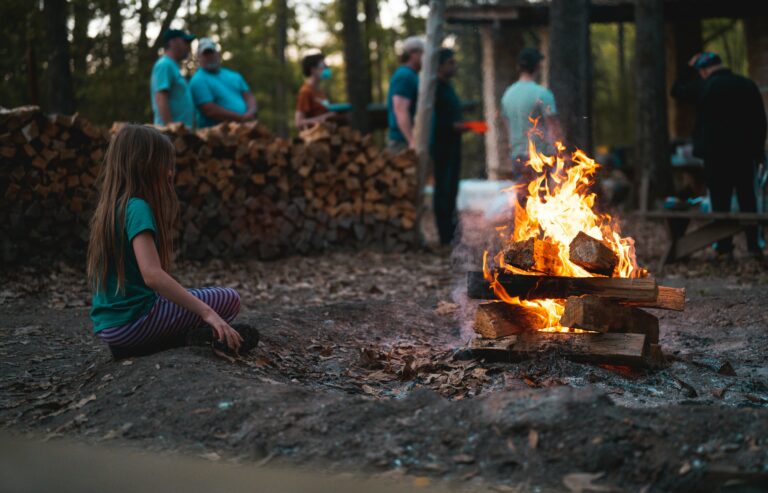
Campfires are a cornerstone of camping—but they can be dangerous. Always build fires only when conditions are safe, keeping them away from trees, bushes, and firewood. Teach kids fire safety, never pour fuel on flames, and keep fires small and manageable. When it’s time to leave or sleep, put your fire out completely: use plenty of water, stir the coals, and make sure no heat, smoke, or embers remain.
2. Outdoor Cooking Safety
Cooking accidents happen more than you’d think. Keep kids and pets away from the cooking area, store sharp tools safely, respect heat, and watch for boiling water or steam burns. For grease fires, cover the pan or use baking soda—never water. Slow down and stay calm; rushing is how mistakes happen.
3. Knife Safety
A knife is an essential tool, but it requires respect. Use the right knife for the job, keep blades sharp, and don’t show off with dangerous tricks. Be careful if your hands are cold, wet, or numb. Focus on your task, and remember: knives are tools, not toys.
4. Food Safety
Preventing foodborne illness is a must. Keep cold foods cold, cook meat thoroughly, and wash your hands before handling meals. Don’t eat wild plants unless you’re certain they’re safe, and always boil water from natural sources. When in doubt, throw it out.
5. Insect Safety
Mosquitoes, ticks, and flies can ruin a trip—or spread disease. Use repellent, wear protective clothing, and check for ticks every night. Keep food sealed, and steer clear of bee, hornet, or wasp nests.
6. Campsite Pest Control
Raccoons, squirrels, skunks, and other critters will raid your camp if you leave food out. Store food in sealed containers or animal-proof lockers, clean dishes daily, and never feed wild animals. Trash should be secured or taken away each night.
7. Predator Safety
Some “pests” are bigger—bears, coyotes, mountain lions, or alligators. Follow local rules, use bear boxes, hang food, and make noise when hiking to avoid surprises. Snakes are defensive rather than aggressive, but always be aware of your surroundings.
8. Tent Safety
Trip hazards abound around tents. Mark lines with reflective tape or glow sticks, keep stakes near the tent walls, and remind kids not to run around. Move cautiously around camp.
9. Firewood Cutting Safety
Cutting firewood is risky. Chop on stable ground, keep others clear, and use the right tool for the job. Be aware of flying chips, and don’t cut when tired—one slip can be dangerous.
10. Propane and Gas Safety
Gas stoves, lanterns, and heaters are convenient but dangerous. Check connections for leaks, store canisters upright, and never use them in unvented areas. Follow proper lighting procedures, and have someone show you if it’s your first time.
11. Lantern and Heater Safety
Lanterns and heaters get hot—keep them away from tent walls, chairs, and anything flammable. Use stable surfaces, maintain ventilation, and never leave them running overnight. Electric heaters are safer than gas if left on while sleeping.
12. Vehicle Safety
Vehicles around campsites can be hazardous. Always check where kids and pets are, drive slowly, and never let children ride in the back of pickups. Use wheel chocks on a grade and keep kids away from vehicles.
13. Rope Safety
Ropes are handy for tarps and clotheslines, but they can be tripping hazards. Keep them tight and out of paths, coil them when not in use, and ensure you know the proper knots for heavy loads or climbing.
14. Kids Safety
Camping with kids is wonderful—but requires vigilance. Keep them in sight near water, fires, or trails. Give them glow sticks or flashlights at night, and teach them simple rules: stay with a grown-up, buddy up, don’t wander, avoid fire or tools, and always check in.
15. Pet Safety
Pets need rules too. Keep them leashed unless it’s a safe off-leash area, bring their food and water, and prevent them from drinking unsafe water. Watch for hot ground, sharp rocks, or thorny plants, and respect other campers.
Final Thoughts
Camping is about making memories, and a little preparation goes a long way toward safety. Fires, cooking, knives, wildlife, kids, and pets can all be managed safely with awareness and common sense. Keep these 15 tips in mind, and your next adventure will be safer, smoother, and more enjoyable.