A well-planned packing list can make the difference between a smooth, enjoyable camping trip and one filled with frustration. Whether you’re new to camping or simply refining your packing skills, bringing the right gear is essential for safety, comfort, and peace of mind.
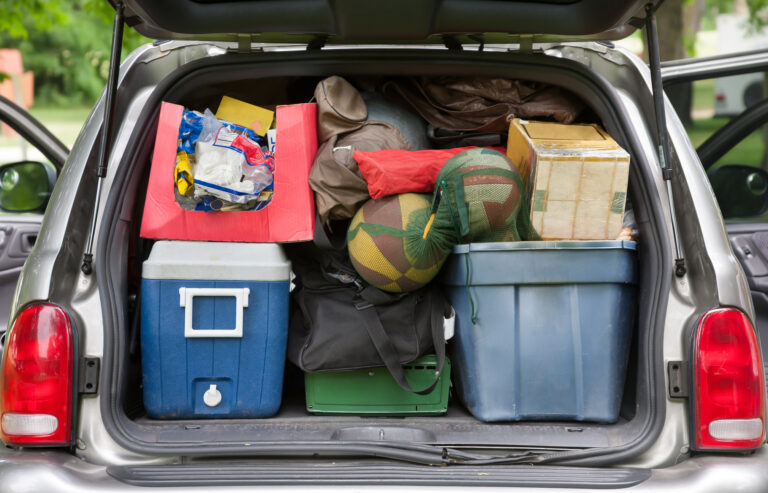
When I first started camping, I made the classic beginner mistake: overpacking. My car was stuffed to the roof, the back seats were buried, and most of the gear never got used. Repacking became a chore, and the mess added unnecessary stress to the end of each trip.
This checklist keeps things simple. These are the core essentials every beginner should bring. Add personal items, toiletries, and entertainment based on your own style—this list focuses only on what you truly need to enjoy a successful weekend outdoors.
When I first started camping, I made the classic beginner mistake: overpacking. My car was stuffed to the roof, the back seats were buried, and most of the gear never got used. Repacking became a chore, and the mess added unnecessary stress to the end of each trip.
This checklist keeps things simple. These are the core essentials every beginner should bring. Add personal items, toiletries, and entertainment based on your own style—this list focuses only on what you truly need to enjoy a successful weekend outdoors
Your tent is the foundation of your shelter. Choose one that comfortably fits your group—keep in mind a “4-person tent” rarely fits four adults with gear. When uncertain, size up to avoid cramped nights.
A quality cooler keeps your food fresh and safe for days. Ice blocks last longer than cubes and help maintain a steady temperature. If you plan to cook meals, don’t skip this item.
A portable chair makes evenings around the campfire far more enjoyable than sitting on rocks or logs. Look for one that’s lightweight, durable, and comfortable for long periods.
Always bring multiple methods for starting a campfire—matches, lighters, waterproof matches, and dedicated fire starters. Redundancy is key, especially in damp or windy conditions.
An axe, hatchet, folding saw, or strong camping knife helps you prepare kindling, adjust firewood, and improve campsite setup. Choose the tool that fits your skill level and comfort.
A reliable camping knife handles cooking tasks, cutting rope, gear repair, and many unexpected needs. Keep it sharp and practice basic knife safety before heading out.
Plan for 1–2 gallons per person per day for drinking, cleaning, and cooking. Even if your campsite has water, bring some with you on arrival so you’re never caught unprepared.
Keep meals simple and satisfying. Test recipes at home so there are no surprises at camp, and avoid overly complicated meals—less prep and cleaning means more time to relax.
A camp stove offers convenience, speed, and reliability, especially if fire restrictions are in place. Practice using it at home so you’re confident and ready at camp.
Lightweight, camping-specific pots and pans are easier to clean and manage than kitchen cookware. Choose a compact set that suits your cooking style.
Bring durable utensils, plates, bowls, and cups. Reusables reduce waste and are sturdier, but disposables work fine for ultralight weekend trips.
A reliable flashlight or headlamp keeps you safe after dark. Bring a backup and consider a small lantern for general campsite lighting.
Even familiar areas can become confusing at night or after long hikes. A GPS device or map app helps you mark your campsite and navigate with confidence.
Portable power banks or solar chargers keep essential devices powered, especially phones used for navigation, emergencies, or photos.
Pack enough fuel for your stove or lantern. Do not rely on purchasing fuel near your destination—it may be unavailable or overpriced.
Carry a well-stocked first aid kit for minor injuries and emergencies. Bring a smaller kit for day hikes and a larger kit for your base camp.
A simple survival kit should include basics like water purification, emergency blankets, a whistle, and a compact tool. It’s peace of mind for unexpected situations.
Depending on your camping environment, consider bear spray, a hiking stick, or other deterrents. Always follow local regulations and safety guidelines.
Versatile and invaluable, rope can be used for tarps, clotheslines, shelters, hammocks, securing gear, and more. Learn a few knots—you’ll use them often.
Pack layers and extras. Weather can change quickly, so bring clothing that keeps you warm, dry, and protected.
Whether you prefer sleeping bags, foam pads, cots, or air mattresses, choose gear that ensures a comfortable night’s sleep. It sets the tone for the entire trip.
Having the right gear turns camping from a stressful challenge into a smooth, enjoyable experience. Use this checklist as your foundation, customize it to your personal style, and you’ll find each trip becomes easier and more rewarding.
If you’re ready to go beyond the checklist, explore my Beginner’s Guide to Camping for step-by-step help choosing a campsite, setting up shelter, and planning your first successful trip.