Let me tell you up front—no one will ever agree on what makes the perfect campsite. Some people want to wake up to a lake or mountain view. Others want bathrooms, showers, and picnic tables. Some prefer the solitude of camping deep in the woods. No matter your style, a few basics can make or break the trip.
If you’re planning a family campout, a big group gathering, a romantic getaway, or just a solo adventure, here are my top tips for choosing and setting up the right campsite.
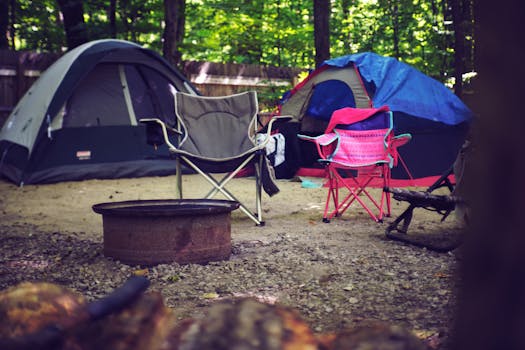
Always look for a flat, clear spot about the size of your tent. Lay the tent out first if you’re unsure. Clear sticks, rocks, or pinecones before setting up. If you’re bringing an RV, double-check the site size, whether it’s back-in or pull-through, and if slide-outs are allowed. (In my beginner camping gear guide, I go over the basics of tents, sleeping pads, and other setup essentials.)
A table isn’t just for eating—it’s for cooking, prepping, games, and crafts. Check the campground amenities to see if one is provided. If not, bring a folding table. Just don’t cook directly on it—they melt fast!
You’ll need water for drinking, cooking, washing, and maybe even bathing. Some sites provide faucets; others don’t. A safe rule is 1–2 gallons per person per day. If you bring your own, plan ahead for storage and transport.
After a long day of hiking, fishing, or exploring, nothing beats relaxing in the shade. Trees, tarps, and screen houses all work. A screen house is worth its weight in gold when mosquitoes or yellow jackets won’t leave you alone.
Not all campsites have flush toilets. Some have outhouses. Some have nothing at all. If that’s the case, you’ll be digging cat holes with a shovel (and you’ll definitely want TP). Know before you go.
.
Some private campgrounds, KOAs, and state parks offer showers. Others don’t. Options include portable camp showers, sponge baths, or even trips into town. A shower after three days can lift everyone’s mood.
Decide what kind of trip you want—busy and social or quiet and reflective. Reviews are your best friend here. Just because you camped somewhere as a kid doesn’t mean it feels the same today.
Campfires are part of camping. Check if your site has a fire ring and confirm fire restrictions before you go. If fires aren’t allowed, you may need to rely on a stove (covered in my beginner gear guide).
Three tents won’t fit in a site the size of your living room. Check group size rules, and plan space for tables, awnings, cars, and activities.
Things go wrong—air mattresses leak, meals flop, people forget gear. Know where the nearest store or town is so you can recover quickly.
Have a safety plan. Know how to reach EMS if needed, or where the nearest ranger station is. If you’re solo camping, let someone know your route and check in daily if possible.
Avoid low areas or spots below the high-water mark. Research seasonal flooding, tides, or weather patterns. Nothing ruins a trip like a soaked tent.
Plan ahead for games, hiking, or larger group activities. Sometimes you need to scout the site before the trip or check maps and reviews online.
Even if you want to “unplug,” you might still need power for lights, radios, or safety gear. Options include solar banks, generators, or simply going without.
If your site doesn’t have bathrooms, be prepared to dig responsibly. If it does, know whether it’s a vault toilet, flush toilet, or RV dump station.
Check for water, sewer, and 30/50-amp hookups if you’re bringing an RV. Also confirm whether the sites are pull-through or back-in.
Some campsites are seasonal or only accessible by certain vehicles. Always check reviews, maps, and weather before heading out.
Want comfort with your campfire? Cabins are a good option. Just know what’s included—some are bare bones, others are closer to hotel rooms.
Many campgrounds have outfitters or nearby rentals. Think boats, horses, snorkeling, or even guided hikes. It’s a great way to add variety to your trip.
Camp stores are good for snacks, souvenirs, firewood, or just asking locals for advice on trails and fishing.
Prices vary widely. Some spots are $60–$80 a night. Others cost less with a state camping pass. Popular areas may require booking a year in advance, while others are first-come-first-serve. Plan early, especially for group trips.
Campsite selection can make or break your adventure. None will be perfect, and that’s part of the fun. Imperfections are where the best stories and memories are made.
If you haven’t yet, check out my beginner camping gear guide. Between that list and these campsite tips, you’ll be well-prepared to get outside and enjoy your next adventure.